
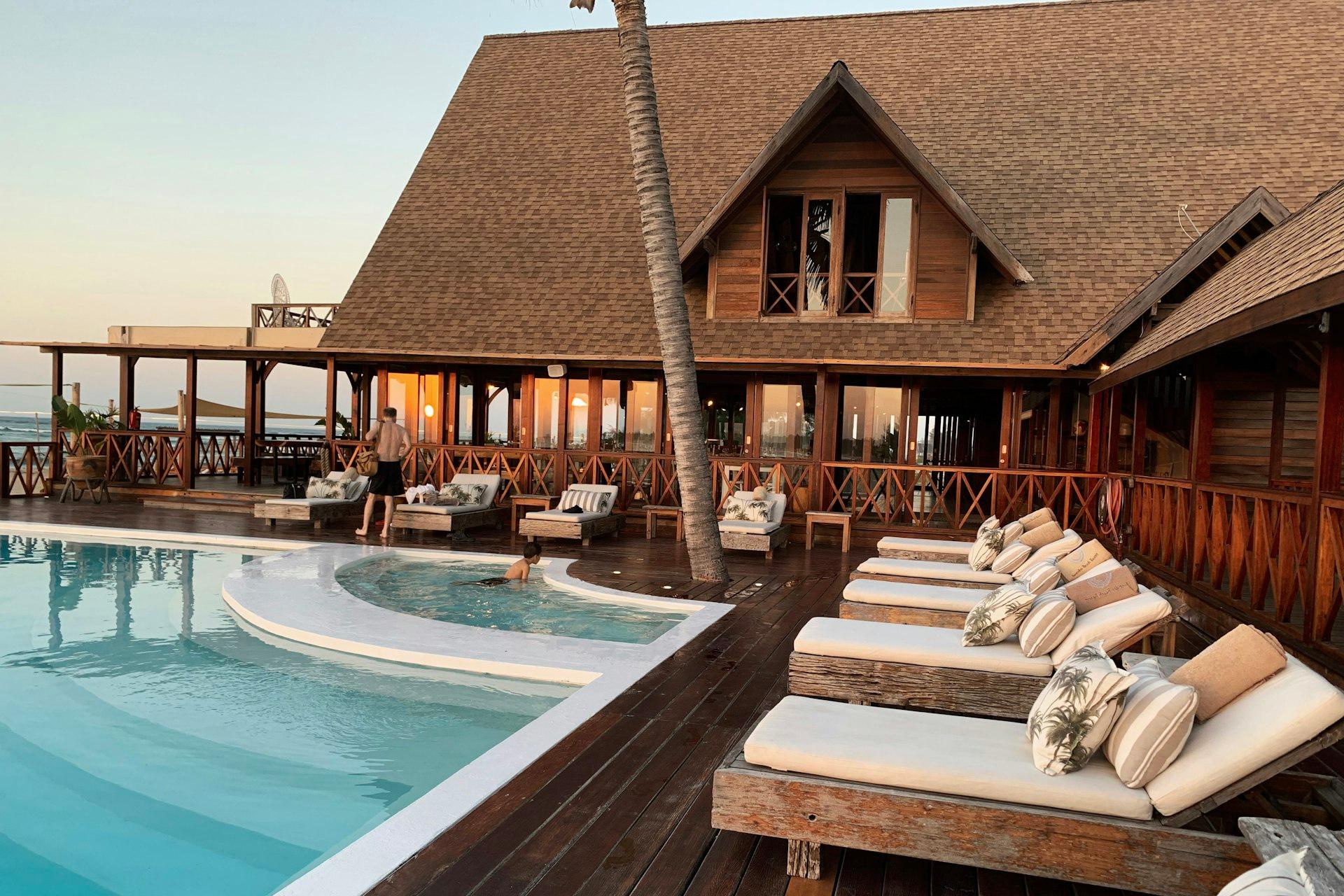
 Since 1846
Heritage & Culture
Discover the colonial legacy that earned Nuwara Eliya the name "Little England"
A Living History
When British colonizers discovered this misty highland region in the 1840s, they were reminded of their homeland. They built Tudor-style bungalows, established tea estates, created English gardens and founded institutions that still stand today. Walking through Nuwara Eliya is like stepping back in time to Victorian-era Britain, surrounded by Sri Lankan warmth and hospitality.
 Est. 1894
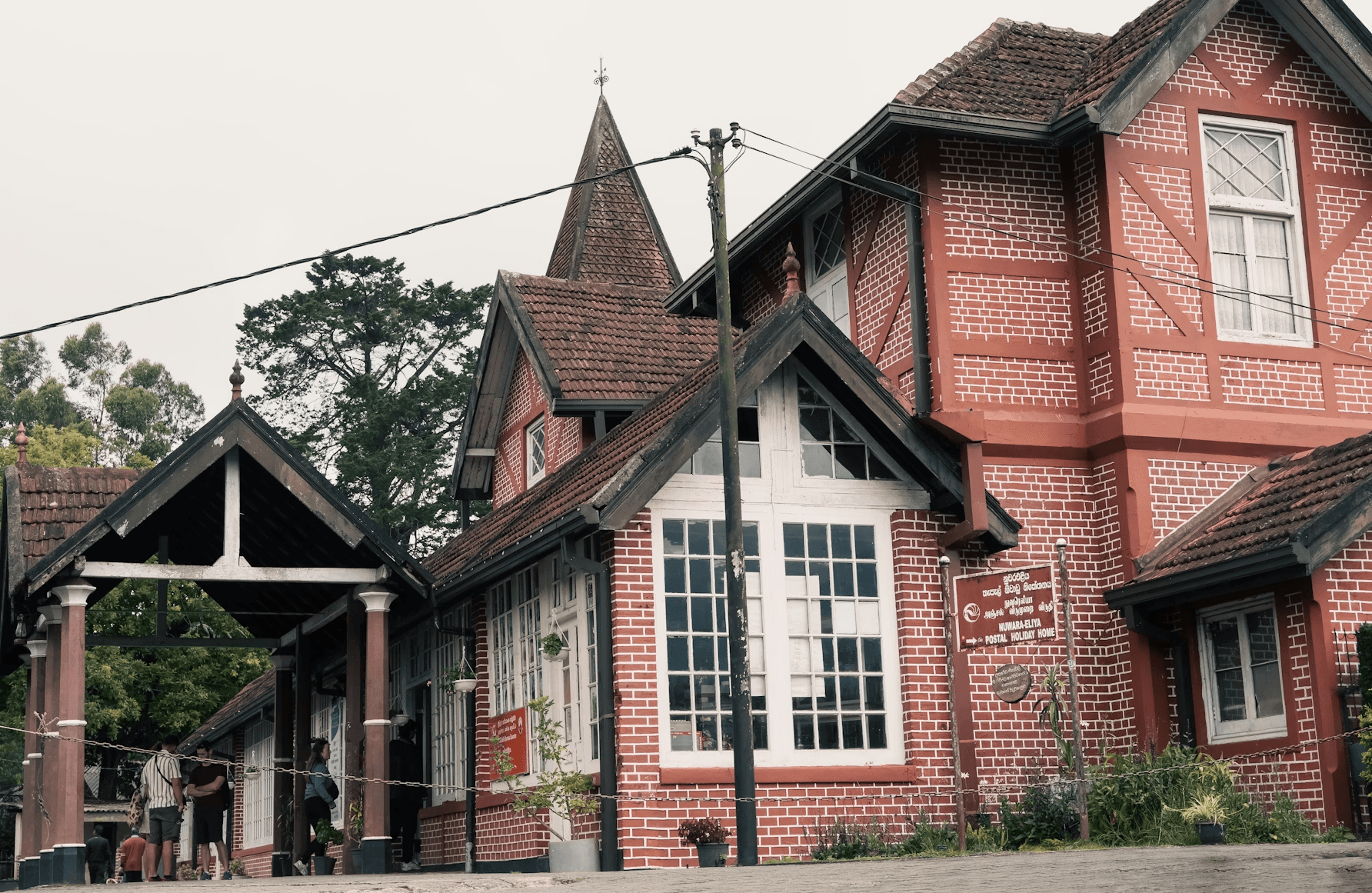
Nuware Eliya Post Office
The Nuwara Eliya Post Office is one of the most iconic landmarks in Nuwara Eliya, Sri Lanka, known for its striking red-brick façade and historic Tudor-style architecture. Built in 1894 during the British colonial period, the building reflects the town’s strong European influence and its reputation as “Little England.” Located in the heart of Nuwara Eliya on Queen Elizabeth Drive, the post office continues to function as an active postal service while also serving as a popular tourist attraction.
Its distinctive clock tower, steep roofs, and charming colonial design make it one of the most photographed buildings in the hill country. Beyond its practical role in communication, the Nuwara Eliya Post Office stands as an important heritage site that represents the town’s rich history, architectural beauty, and cultural significance.
 Est. 1876
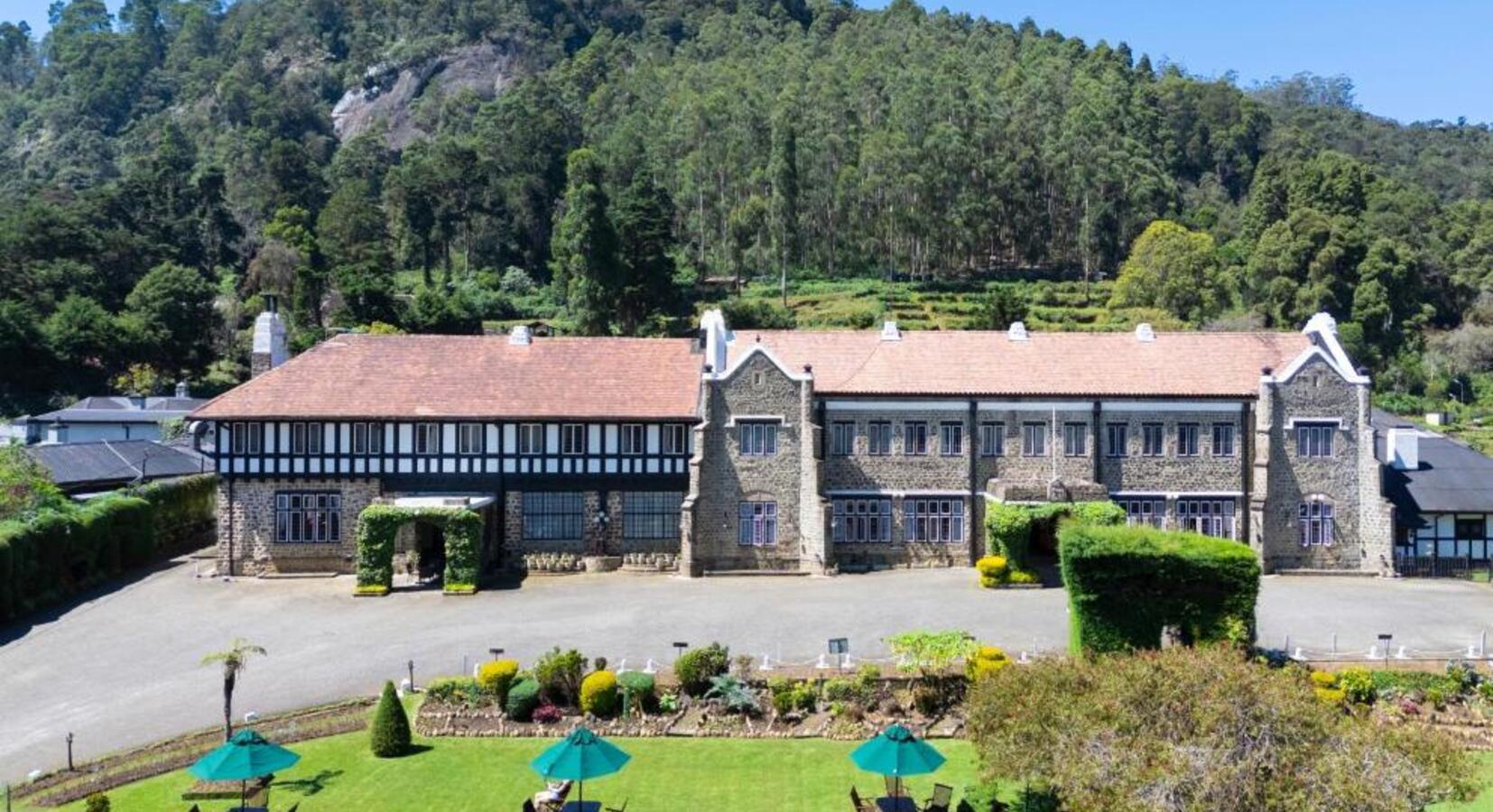
Hill Club
The Hill Club in Nuwara Eliya is one of the most historic and prestigious colonial establishments in Sri Lanka. Founded in 1876 during the British colonial period, the club was originally created as an exclusive social club for British planters and officials living in the hill country. The building reflects classic colonial architecture with wooden interiors, fireplaces, and traditional décor that preserve the atmosphere of a bygone era.
Located in the heart of Nuwara Eliya, the Hill Club today operates as a heritage hotel and private members’ club, welcoming visitors who wish to experience its unique history and old-world charm. Surrounded by beautifully maintained gardens and cool mountain scenery, the Hill Club remains an important symbol of the town’s colonial heritage and cultural legacy.
 Est. 1891
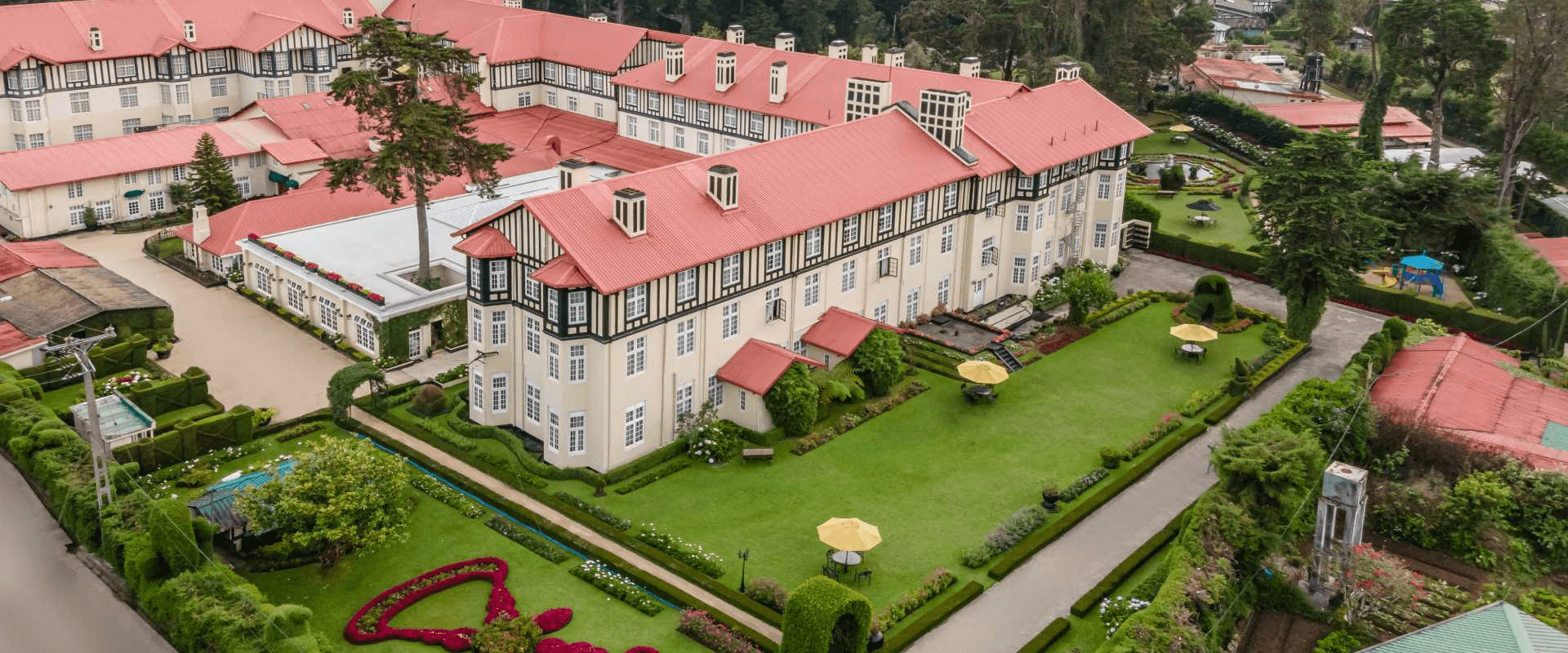
The Grand Hotel
The Grand Hotel in Nuwara Eliya is one of the most famous and historic hotels in Sri Lanka, known for its elegant colonial architecture and rich heritage. Originally built in the late 19th century as the residence of Sir Edward Barnes, a British governor of Ceylon, the building was later transformed into a luxury hotel. Located in the heart of Nuwara Eliya, the Grand Hotel reflects the town’s colonial charm with its beautifully landscaped gardens, classic interiors, and traditional hospitality.
Over the years, it has become a popular destination for both local and international visitors who wish to experience the cool climate and historic atmosphere of the hill country. Today, the Grand Hotel remains a symbol of Nuwara Eliya’s colonial past and is renowned for its comfortable accommodations, fine dining, and timeless elegance.
 Est. 1873
Holy Trinity Church
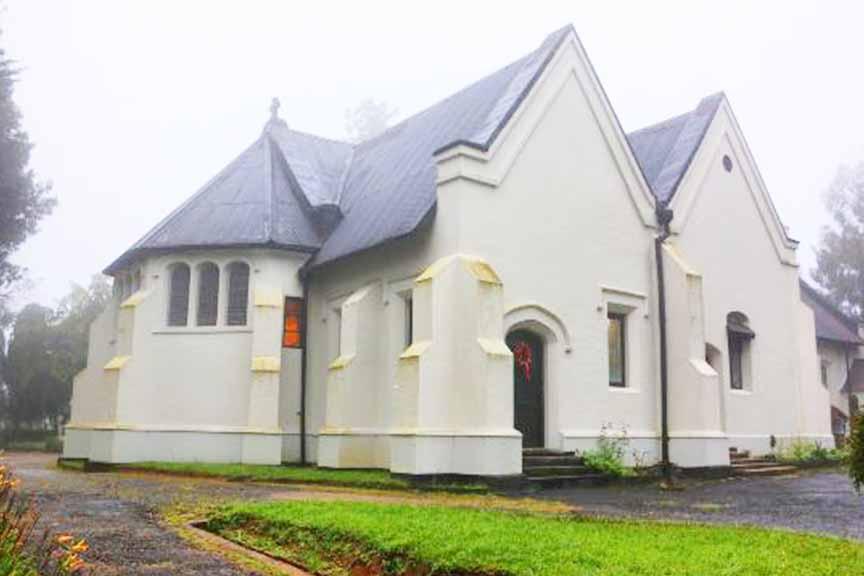
A beautiful Anglican church built during the British period, featuring stained glass windows and classic stone architecture, still active as a place of worship today.
The Holy Trinity Church in Nuwara Eliya is a historic Anglican church that stands as a testament to the town's colonial heritage. Built in 1873 during the British colonial period, the church features classic british architecture, a steeply pitched roof, and stunning stained glass windows that depict biblical scenes. Located in the heart of Nuwara Eliya, the church continues to serve as an active place of worship while also attracting visitors who wish to admire its architectural beauty and historical significance. The Holy Trinity Church remains an important symbol of the town's rich cultural legacy and colonial past.
 Est. 1891
The Grand Hotel
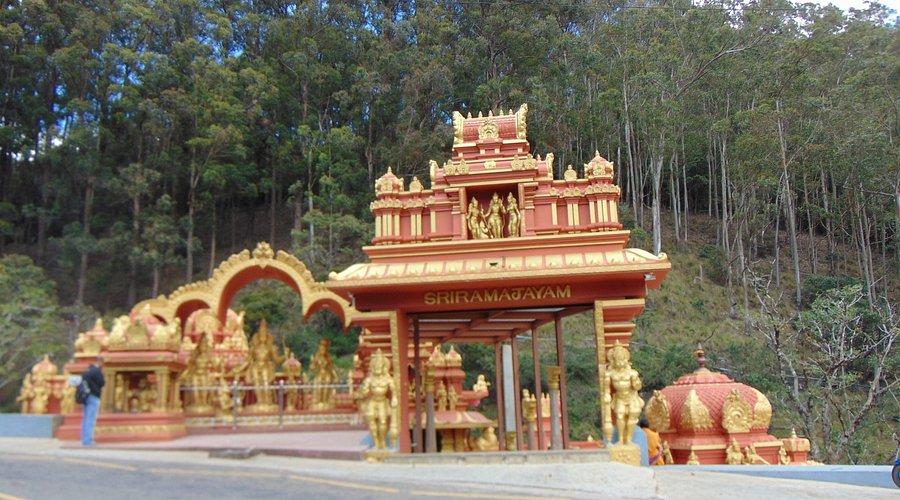
A sacred Hindu temple believed to mark the site of Ashok Vatika from the Ramayana, where Princess Seetha was held captive. Nestled beside a flowing stream, the temple is a major pilgrimage site and a powerful spiritual landmark in Nuwara Eliya.
The Seetha Temple in Nuwara Eliya is a revered Hindu temple that holds great religious and cultural significance. According to local legend, the temple is believed to be located at the site of Ashok Vatika, where Princess Seetha was held captive by the demon king Ravana in the ancient Indian epic, the Ramayana. Nestled beside a flowing stream and surrounded by lush greenery, the temple is a place of deep spiritual significance for devotees.

Experience Colonial Heritage
Take a guided walking tour through Nuwara Eliya's historic district and step back in time